Research

Radio sensing, medical imaging and intelligent computing systems.

Doctoral research · Electronic Engineering

RF localisation for wireless capsule endoscopy

Wireless capsule endoscopy provides images of the gastrointestinal tract. My research investigates the accompanying localisation problem: using radio measurements and antenna positions to infer where the capsule is.

I explore machine learning and probabilistic approaches, including anchor-aware conditional flow matching, alongside software-defined radio and antenna systems.
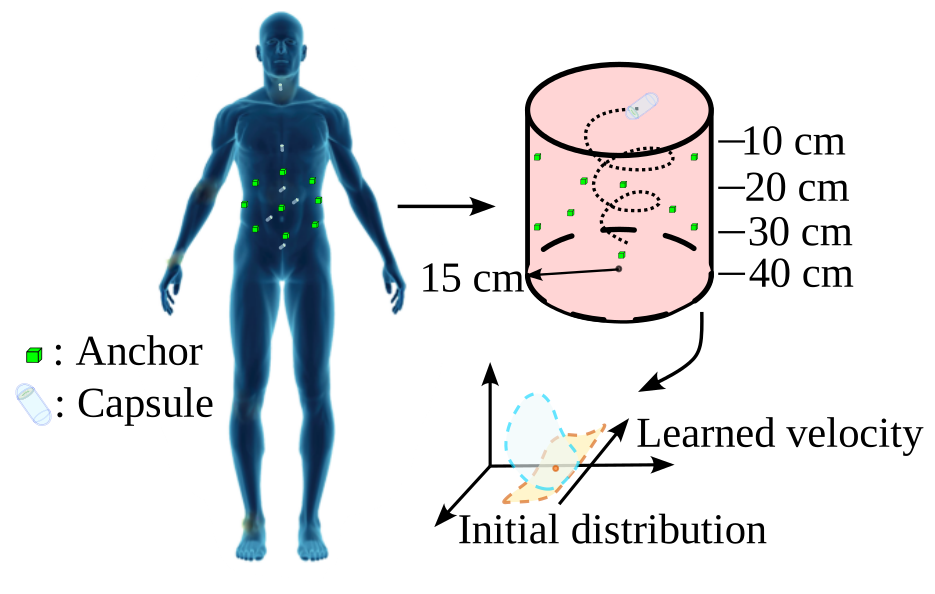
RF capsule localisation with body-worn anchors, a cylindrical model and a learned conditional flow
Conceptual overview of RF capsule localisation: wearable anchors, a cylindrical model and a learned conditional flow. Murugesan et al., EuCAP 2026 paper source.

Research Technician · Blizard Institute

CE-Track: capsule-endoscopy localisation

CE-Track is a Queen Mary pre-spinout developing a wearable antenna-based system to locate and track capsule endoscopes. My contribution focuses on AI-based reconstruction and modelling of clinical imaging data.

I work with Professor Akram Alomainy, Dr Mohamed Adhnan Thaha and Dr Muhammad Qamar Satti, bringing together RF engineering, medical imaging and clinical expertise.

CE-Track was selected for the London Institute for Healthcare Engineering (LIHE) MedTech Venture Builder 2025–2026 cohort.

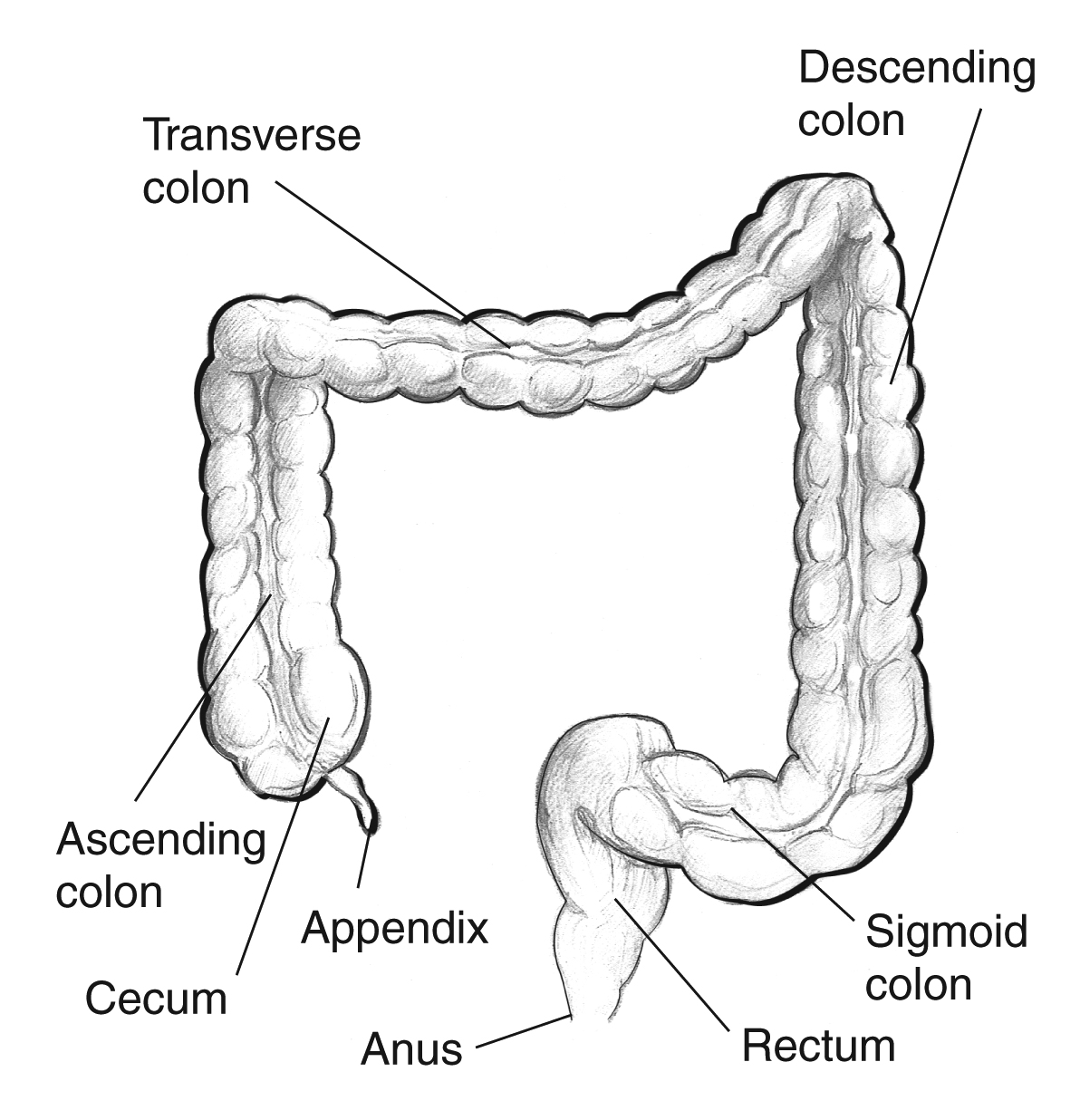
Anatomical illustration of the large intestine
The large intestine. Anatomical context for research into gastrointestinal shape variation. National Institute of Diabetes and Digestive and Kidney Diseases, National Institutes of Health.

Medical image analysis and anatomical modelling

I investigate AI-based approaches to reconstructing gastrointestinal anatomy and describing variation in colon shape. This work is at the study-development stage.

First-author publication · IEEE JBHI, 2024

Neural networks and serverless computing for e-health

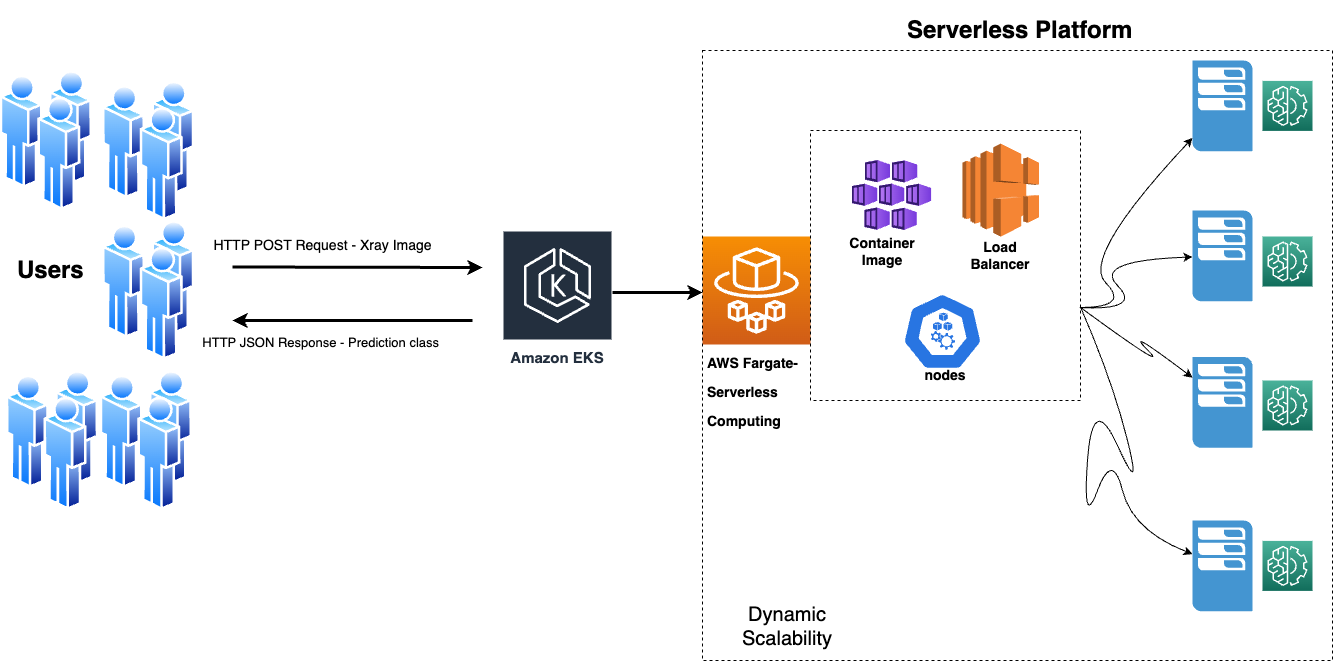
Our paper investigates neural networks for tuberculosis prediction within a serverless e-health application. The deployment architecture uses Amazon EKS and AWS Fargate to serve image-prediction requests through scalable container-based inference.

Neural Networks Based Smart E-Health Application for the Prediction of Tuberculosis Using Serverless Computing

Architecture diagram showing users sending image requests to Amazon EKS, AWS Fargate and a scalable inference service, then receiving prediction responses.
Serverless deployment architecture for tuberculosis prediction using Amazon EKS and AWS Fargate. Fig. 3 from S. S. Murugesan, S. Velu, M. Golec, H. Wu and S. S. Gill, IEEE Journal of Biomedical and Health Informatics 28(9), 5043–5054 (2024), doi:10.1109/JBHI.2024.3367736. © 2024 IEEE.

Collaborative publications

AI, edge and cloud computing

My wider publications investigate edge AI, AI-enabled computing environments, container orchestration and healthcare applications. These collaborations connect machine learning methods with the systems in which they operate.

Edge AI

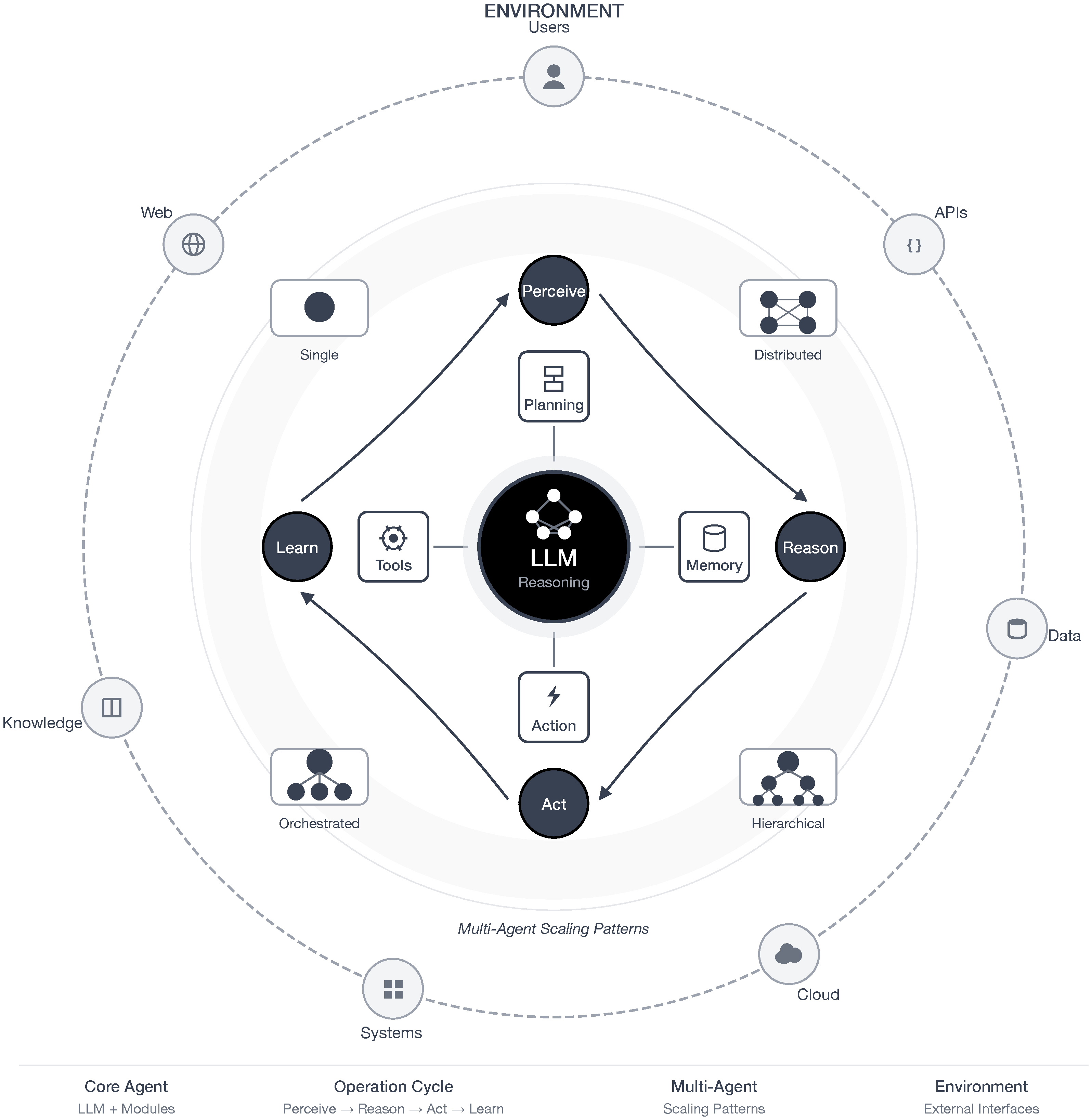
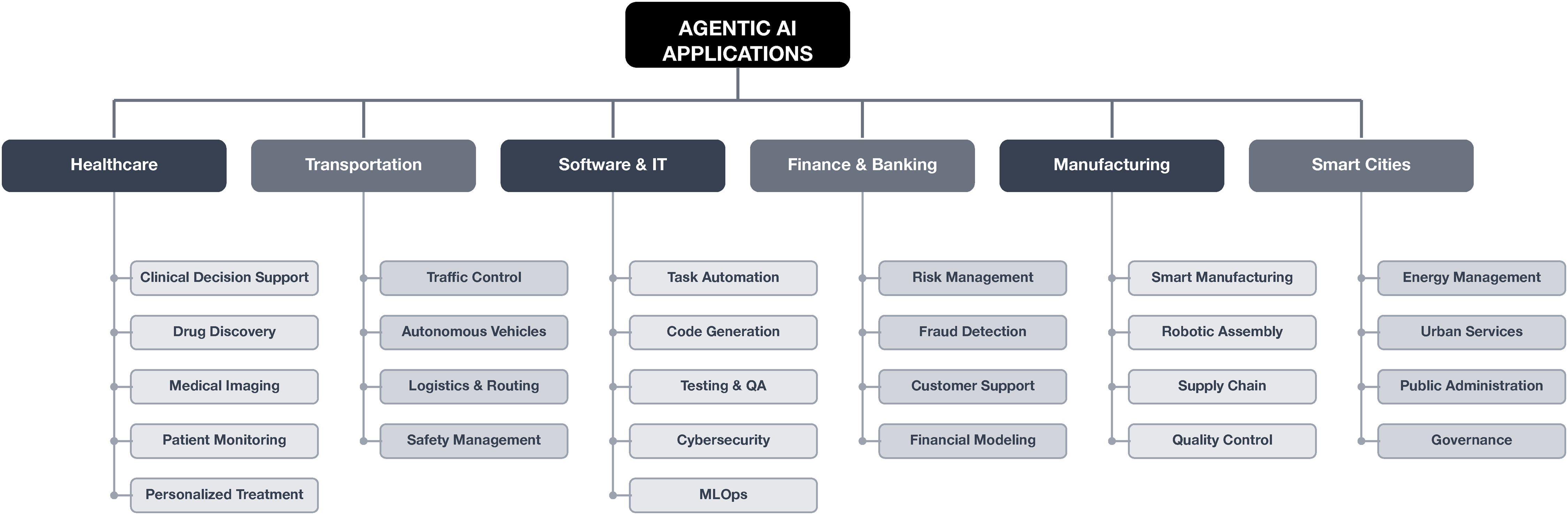
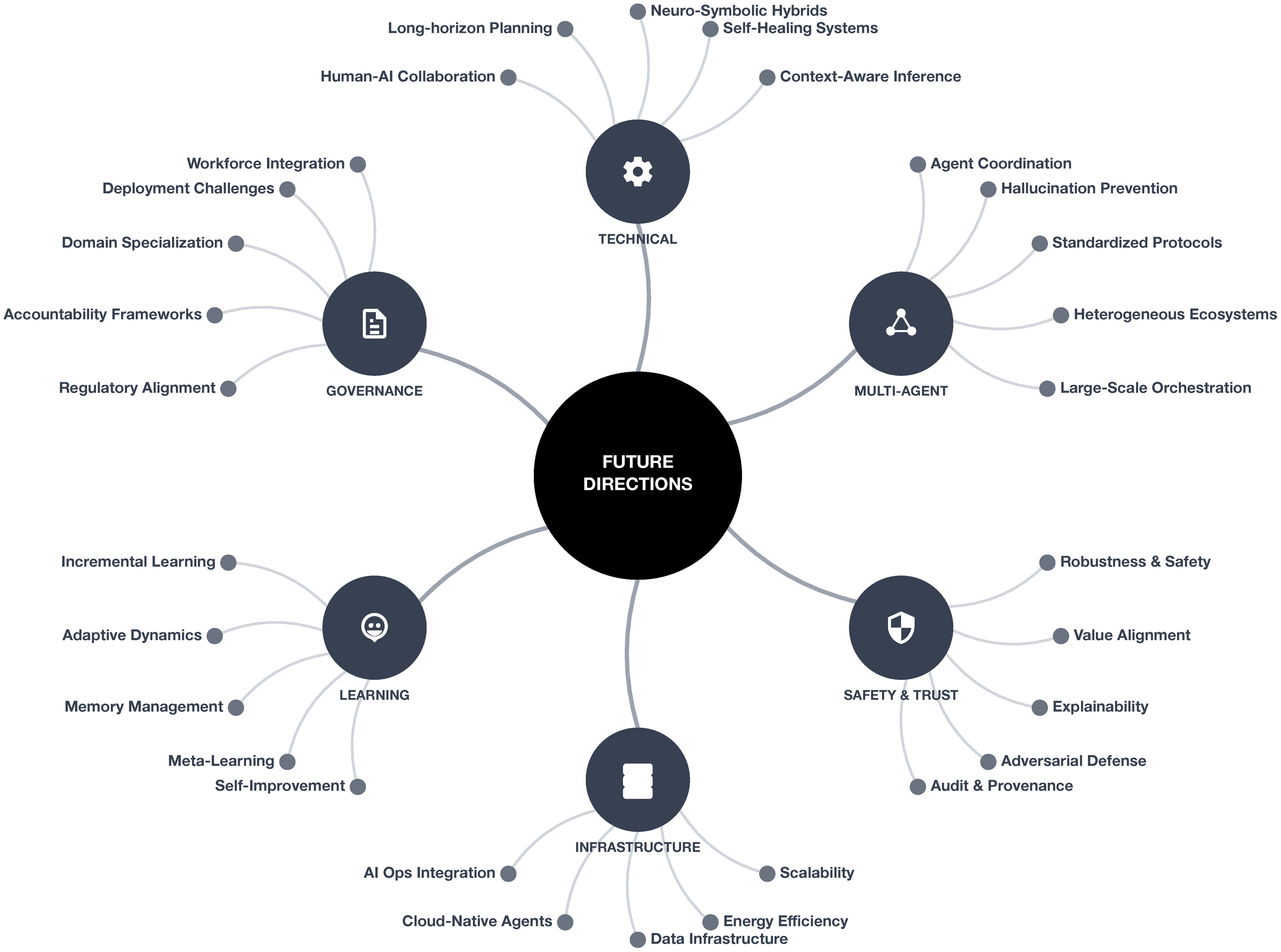
Agentic AI: Vision and challenges ·

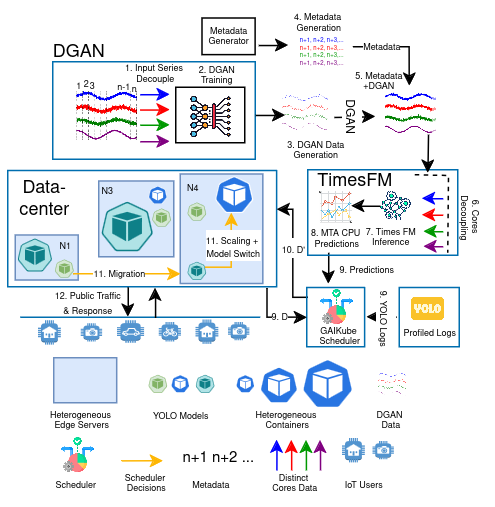
GAIKube framework diagram connecting DGAN-generated workload data, TimesFM prediction, a scheduler and heterogeneous edge servers.
GAIKube combines generative workload data, TimesFM forecasting and Kubernetes container orchestration. GAIKube framework by Babar Ali et al., author repository accompanying doi:10.1109/TCCN.2024.3508771. © 2024 Babar Ali. BSD-3-Clause repository licence.
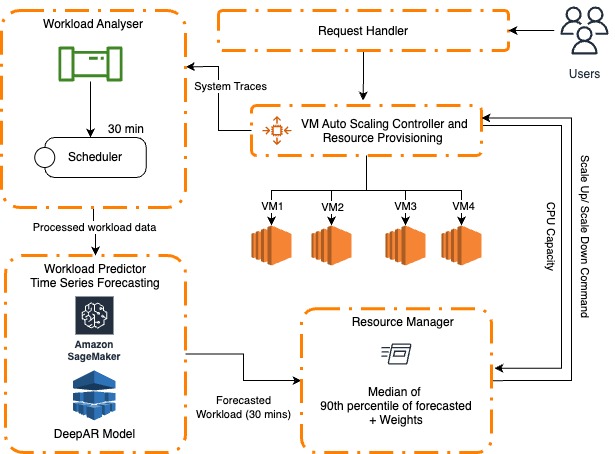
CloudAIBus system model
The system diagram links workload analysis and DeepAR forecasting to resource management and VM autoscaling. Velu, Gill, Murugesan, Wu and Li, CloudAIBus (2024), author repository. Apache-2.0 repository licence. Unmodified.